sarcoma in cats mouth
Jan 12 2015. Males and females are equally susceptible.

Oral Squamous Cell Carcinoma In Cats An Overview Vet In Aurora The Animal Dental Clinic
An oral tumor is an abnormal growth of cells.

. Surpassed in frequency of occurrence only by lymphoma skin cancer and mammary cancer oral cavity cancer accounts for about 15 percent to 20 percent of feline malignancies seen each year at the Cornell University Hospital for Animals. Oral Cancer in Cats. Fibrosarcomas are the second most common oral tumor in cats.
Early signs of the disease are similar to signs of bad oral health such as drooling having distinctly foul-smelling breath or wanting to eat but being unable to. Develop mysterious bleeding in its mouth Causes of Fibrosarcoma in Cats Cats can develop fibrosarcoma for one of three reasons. Squamous cell carcinomas are by far the most common malignant oral tumors in cats.
Fibrosarcomas are the next most common tumor in cats. Squamous cell carcinoma is an aggressive cancer in the cat and is often not diagnosed until the tumor is advanced. The rate of metastasis at the time of diagnosis is low.
Signs of a soft tissue sarcoma affecting the reproductive system depend on the location of the tumor. All of which can become cancerous eg skin cells bone cells fibrous cells. An oral mass refers to a growth in a cats mouth or surrounding head region.
Pets with soft tissue sarcomas in the mouth often have bad breath halitosis difficulty eating loss of appetite bleeding in the mouth or obvious tumors in the mouth. They commonly involve the gums and tongue and spread rapidly throughout the mouth. Oral tumorsboth non-cancerous and cancerouscan form in any part of your cats mouth.
Squamous cell carcinoma SCC is the most common oral malignancy in the cat arising from either the jaw bones or the tongue. After many visits it was discovered that the lump was actually some sort of tumor but the vet wouldnt know exactly which kind without a biopsy. If an osteosarcoma develops elsewhere in the skull or vertebrae swelling and pain in the head or along the back may be observed.
My cat Momo is 9 years old and has a tumor on his jaw. Squamous cell carcinoma SCC is the most common oral malignancy in cats occurring usually around the jaw bones or the tongue of the cat. There may also be swelling or facial deformities due to tumor growth.
What are the symptoms. Unexplained loss of teeth. Excessive or increased drooling.
They aggressively invade surrounding tissues. Tumors are locally invasive and can extend into the bones of the upper or lower jaw. Signs vary depending on the location and extent of the tumor.
Odontogenic tumors arise from the tissues making up the teeth. Fibrosarcomas arise from the connective tissues within the mouth often from the jaw bones. It is the most common oral cancer in cats.
There are different forms of sarcoma that develop in cats. Although these soft tissue tumors can arise anywhere in the cats body they commonly develop on the skin or subcutaneously. Instead just pick a time when the cat is calm and happy and wants to be around you.
These tumors are very invasive locally meaning they invade the adjacent tissues which can make management difficult. Oral squamous cell carcinoma is cancer of the lining of the oral cavity including the gingiva gums tongue palate and tonsils. Dog cat While such tumors can occur anywhere in his mouth they.
Other types of tumors include fibrosarcomas adenocarcinomas and ameloblastomas. Owners may notice a mass in the cats mouth. The whole episode started right around Christmas when he was showing signs of bad pain.
These tumors arise from the fibrous and connective tissues of the oral cavity. Symptoms Because this cancer affects the mouth most pet parents notice changes in their cats eating habits as a sign of mouth cancer in cats. If the cat is older it may be more prone to developing this particular form of cancer.
In this section we will be specifically talking about oral squamous cell carcinoma in cats. Pets with oral tumors have symptoms of increased salivation drooling facial swelling mouth bleeding weight loss foul breath oral discharge difficulty swallowing or pain when opening the mouth. Vaccine-Associated Sarcomas VAS In 1991 veterinarians began noticing a larger number of.
If your cat is suffering from oral squamous cell carcinoma you will notice a mass in your cats mouth. 1 It accounts for about 90 of oral tumors in felines. Cats with osteosarcoma of the jaw a form of axial osteosarcoma may have swelling of the jaw difficulty opening the mouth excessive salivation and may be reluctant to eat due to pain.
Most pet owners realize their cat has developed a health problem after noticing some or all of the following symptoms. In addition to declining appetiteespecially for hard foodthe signs that an oral cavity tumor is present may include drooling difficulty in. Some tumors may grow slowly and do not typically spread called benign while others will act aggressively called malignant.
Osteosarcomas arise solely from bony tissues such as the jaw bones. While not all growths masses are cancerous oral tumors can become malignant and fatal if they are not treated early and aggressively. Bloody nose Mouth pain Halitosis bad breath Weight loss Facial swelling Dropping food during a meal Increased salivation Bleeding.
Feline Sarcoma Prognosis Feline sarcoma also known as soft tissue sarcoma is a type of cancer that develops in the connective tissues in pets. Red or swollen gums and mouth. Feline oral squamous cell carcinoma is often seen in older cats.
Difficulty eating or weight loss. Some vaccines have been linked to the development of fibrosarcoma but these occurrences are relatively rare. Squamous cell carcinoma is the most common oral tumor seen in cats.
Sarcomas are a specific type of cancer. A cats mouth similar to our own is made up of several different cell types. Oral tumors can be found in the cats lips tongue gums and lymph regions surrounding the mouth.
They present as a subcutaneous beneath the skin lump and are malignant tumors arising from transformed cells. You can be on the lookout for these symptoms. Other common causes of oral tumors in cats are fibrosarcomas osteosarcomas and odontogenic tumors.
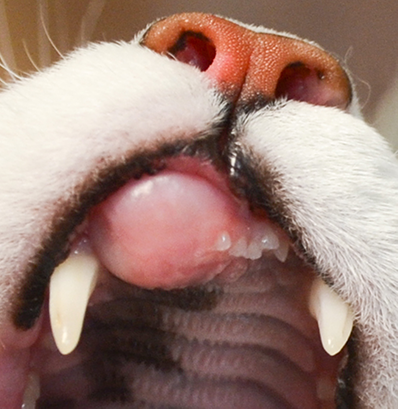
Oral Tumors In Cats An Overview Vca Animal Hospitals
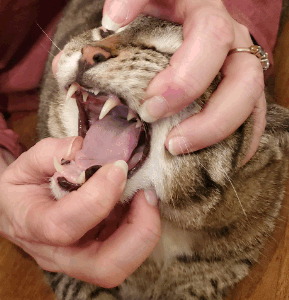
Oral Squamous Cell Carcinoma In Cats Veterinary Partner Vin

Mouth Cancer Melanocytic In Cats Petmd

Oral Tumors In Cats Centennial Animal Hospital

Tongue Cancer Squamous Cell Carcinoma In Cats Petmd
Mouth Cancer Gingiva Squamous Cell Carcinoma In Cats Petmd
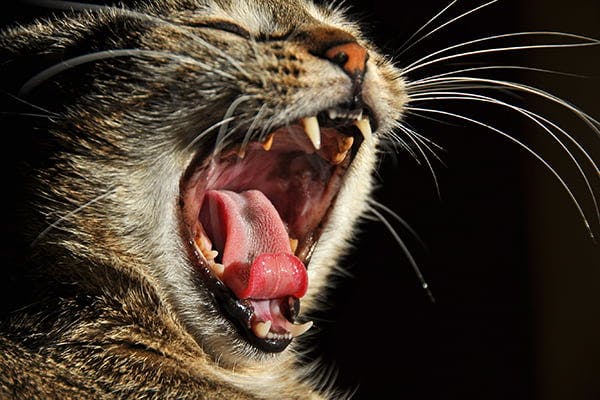
Mouth Cancer In Cats Symptoms Causes Diagnosis Treatment Recovery Management Cost

Diagnosis And Treatment Of A Feline Oral Mast Cell Tumor Sciencedirect

Mouth Ulcers In Cats Petmd
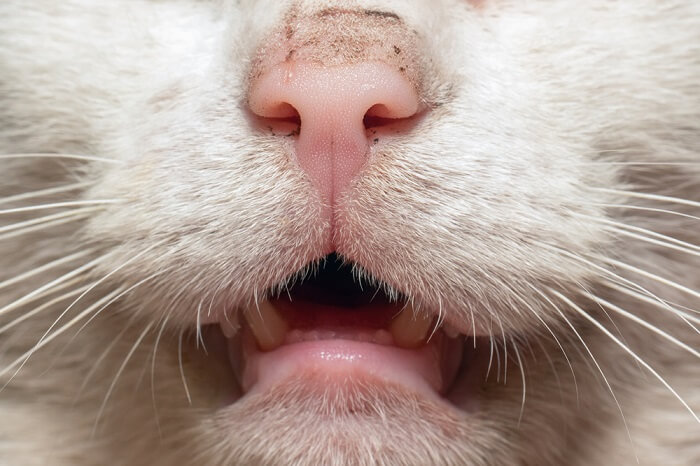
Mouth Cancer In Cats Causes Symptoms Treatment All About Cats

Feline Oral Squamous Cell Carcinoma An Overview
What Is Our Current Progress On The Fight Against Oral Squamous Cell Carcinoma R Askvet

Common Oral Tumors In Cats And Dogs Vet In Aurora The Animal Dental Clinic

What Causes Oral Cancer In Cats And What Tests You Need To Know About Vlog 125 Youtube

4 Types Of Cat Cancer And Their Common Symptoms
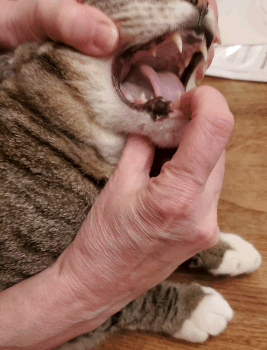
Oral Squamous Cell Carcinoma In Cats Veterinary Partner Vin

Oral Tumors In Dogs And Cats Uvh

Cat Vomiting Types Causes And Treatments And A Look At Common Cancers Mccleary Animal Hospital

Squamous Cell Carcinoma In A Cat S Mouth Pictures Symptoms And Treatment